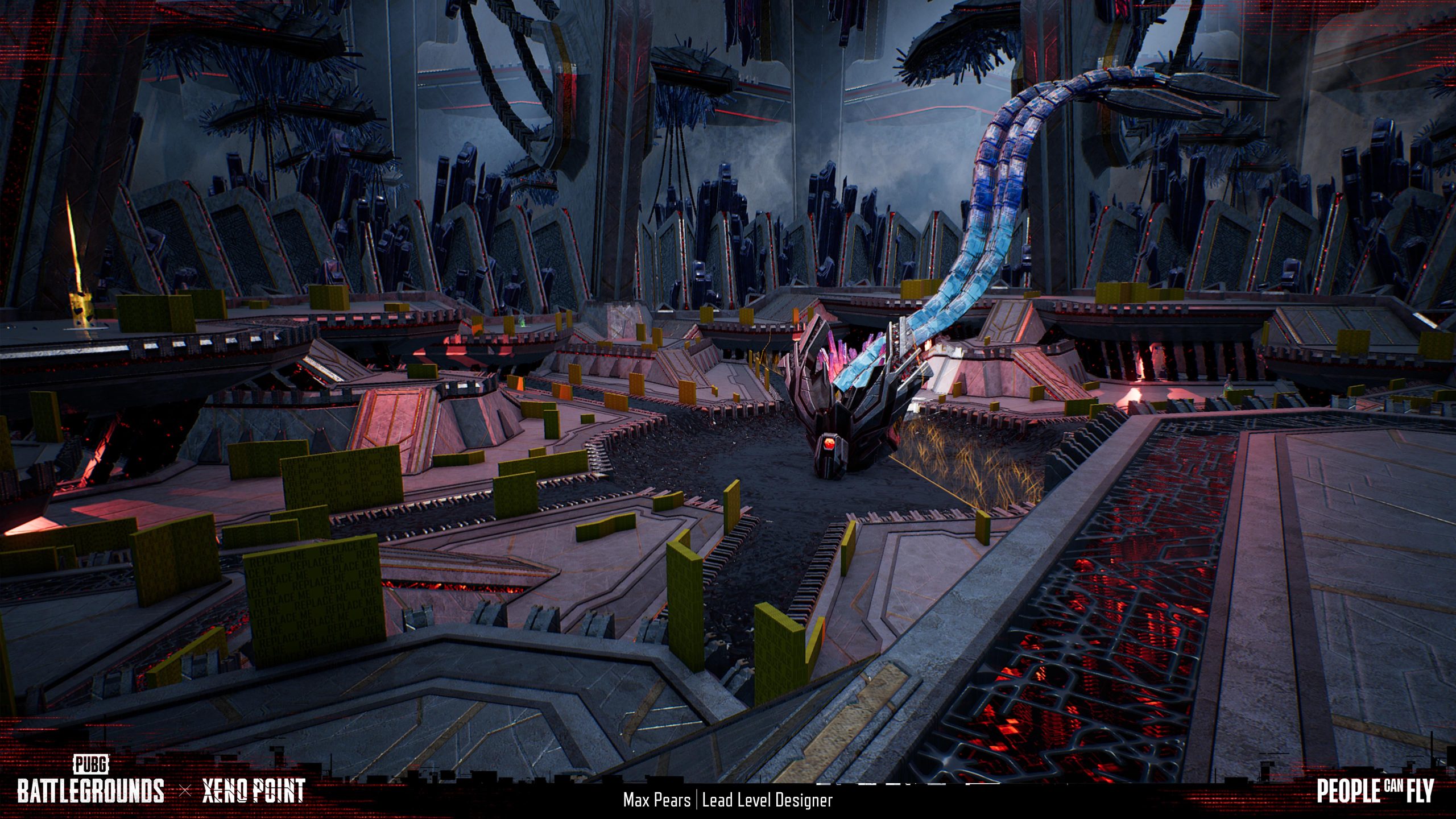
Game Description: Xeno Point, is a new co-op PvE roguelite mode in PUBG Battlegrounds set on alien-invaded Miramar. Battle unique extraterrestrial enemies with upgradeable skills, super abilities, and the powerful Xeno Cannon.
Platforms: PC/PS5/Xbox Genre: Co-op PvE roguelite Engine: Unreal Engine
Role: Lead Level Designer Date: Dec 2024 – Sept 2025

During my time on PUBG: Xeno Point, I lead a team of four level designers with a range of experience, from principal to intermediate. Joining the project prior to the alpha phase, my initial priority was to understand the team’s existing knowledge, as well as the challenges they had encountered throughout development.
This understanding enabled me to focus on delivering quick wins, particularly by refining design systems to better support the team’s needs. At the same time, I ensured that prior decisions made before my arrival were respected and reinforced, fostering confidence and continuity within the team.
As not all objectives had been fully defined when I joined, this presented a valuable opportunity. I collaborated closely with fellow design leads and my team to establish best practices and help shape clear, effective objectives moving forward.

While collaborating with our Director and Lead Technical Designer, we developed and presented the core objectives for the game mode, which included:
- Horde
- Eliminate
- Capture
- Defeat the Mini-Boss
Given the limited duration of the mode, along with budget and time constraints, we focused on identifying the most effective ways to deliver a rich player experience using a concise set of objectives.
To support this, I created a set of design guidelines for the Level Design team, enabling greater creative freedom in their approach while ensuring that each map offered a distinct experience and avoided repetition across objectives.
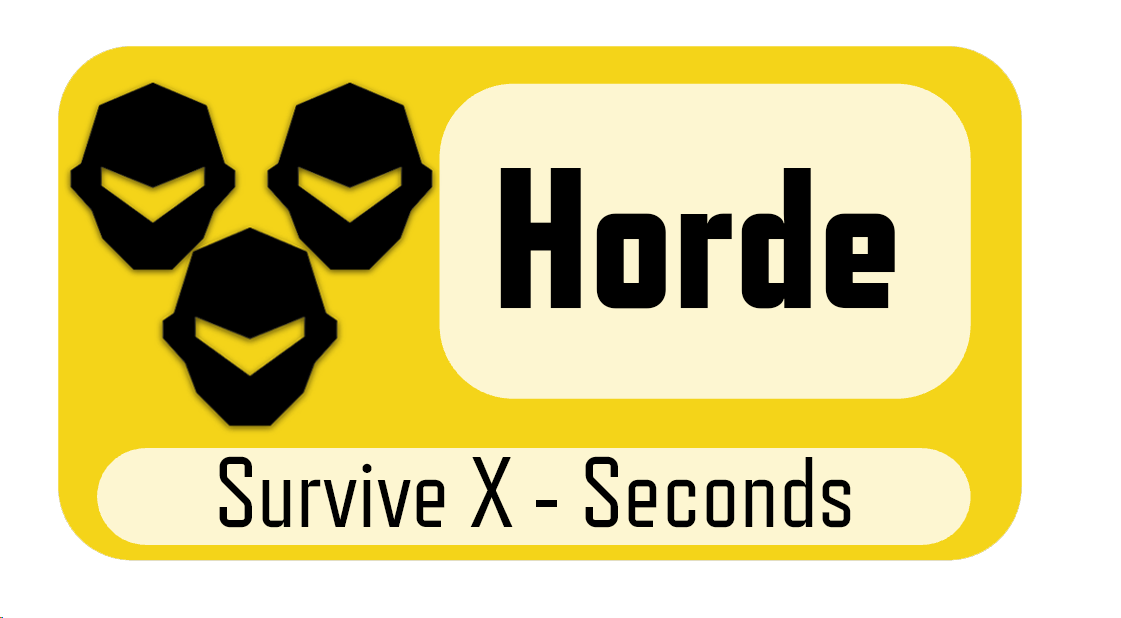

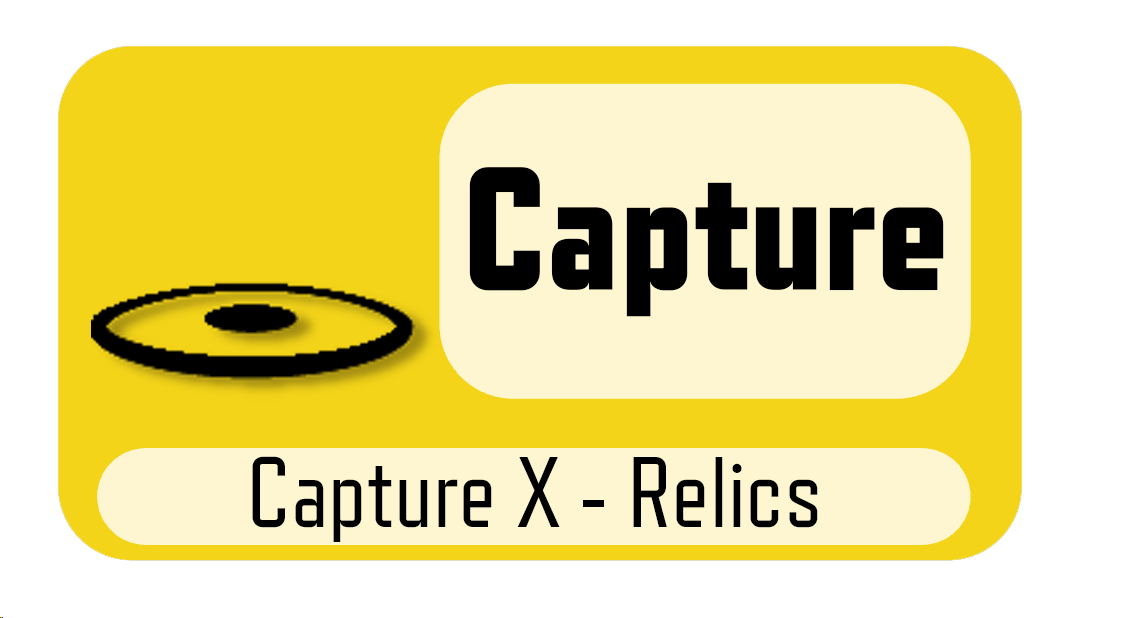
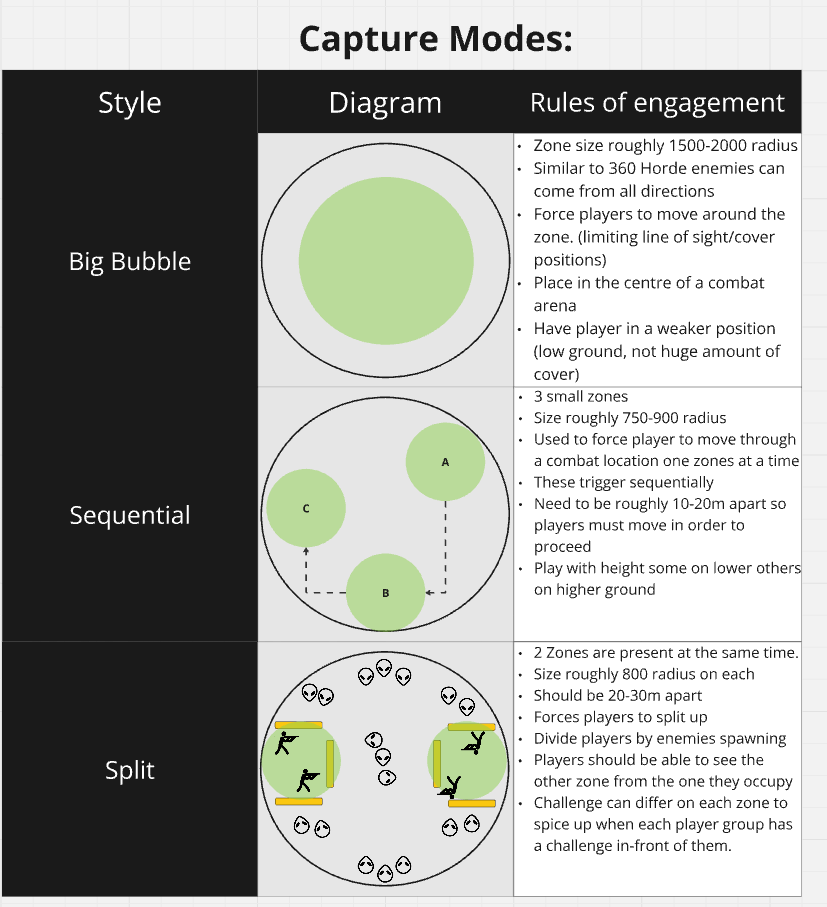
By establishing these guidelines, the Level Design team was able to collaboratively implement and refine objective templates, identifying where the framework was effective and where adjustments were needed across all seven maps.
This approach also supported more efficient balancing, allowing us to fine-tune each objective type within every map and ensure varied level flow, avoiding repetitive gameplay experiences.
As demonstrated by the objective changes outlined above, the game mode differed significantly from the core experience of PUBG: Battlegrounds. To better align level layouts with our intended gameplay, I collaborated closely with the Lead Artist to evaluate commonly used buildings for interior combat across all seven maps.
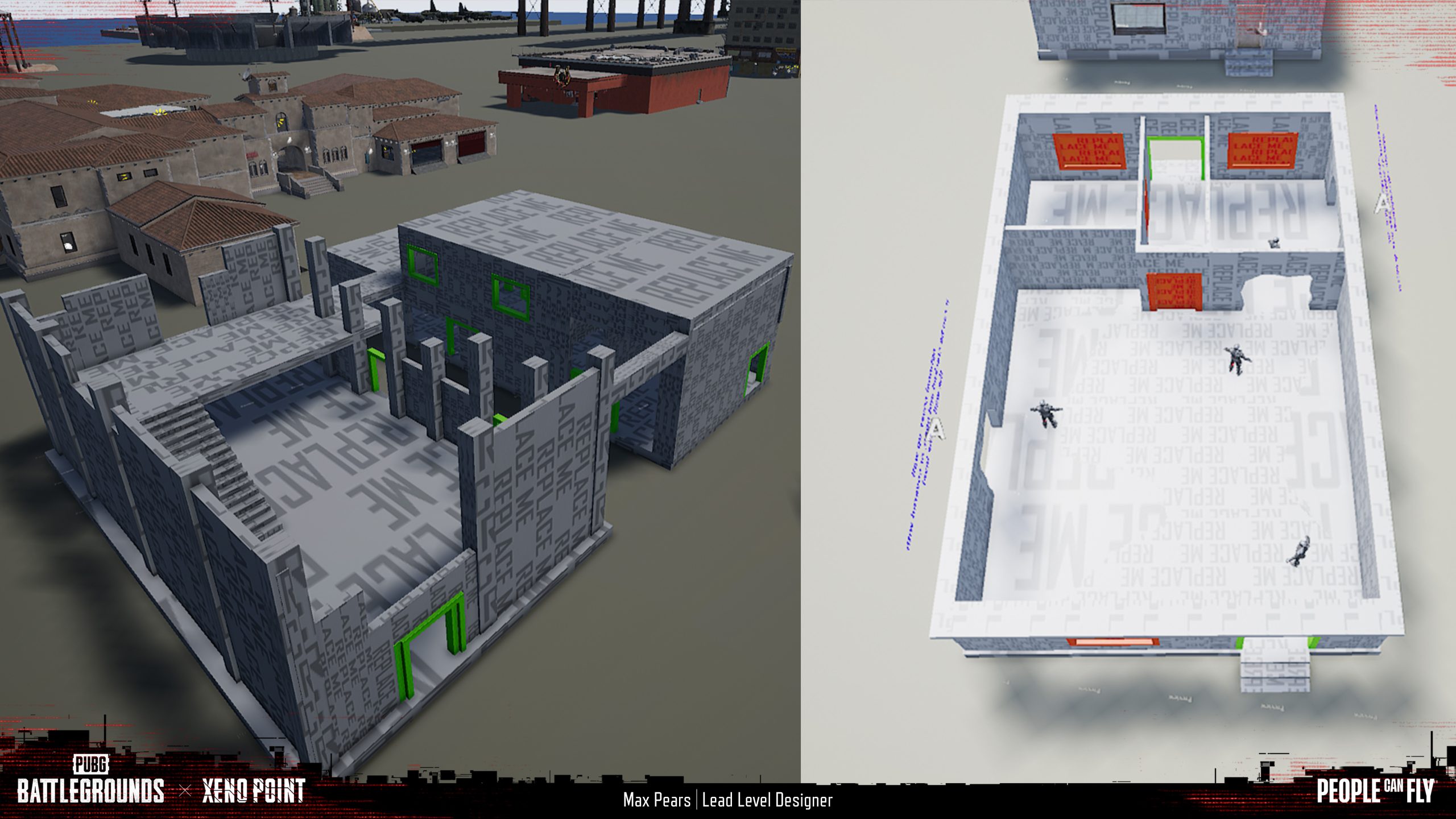
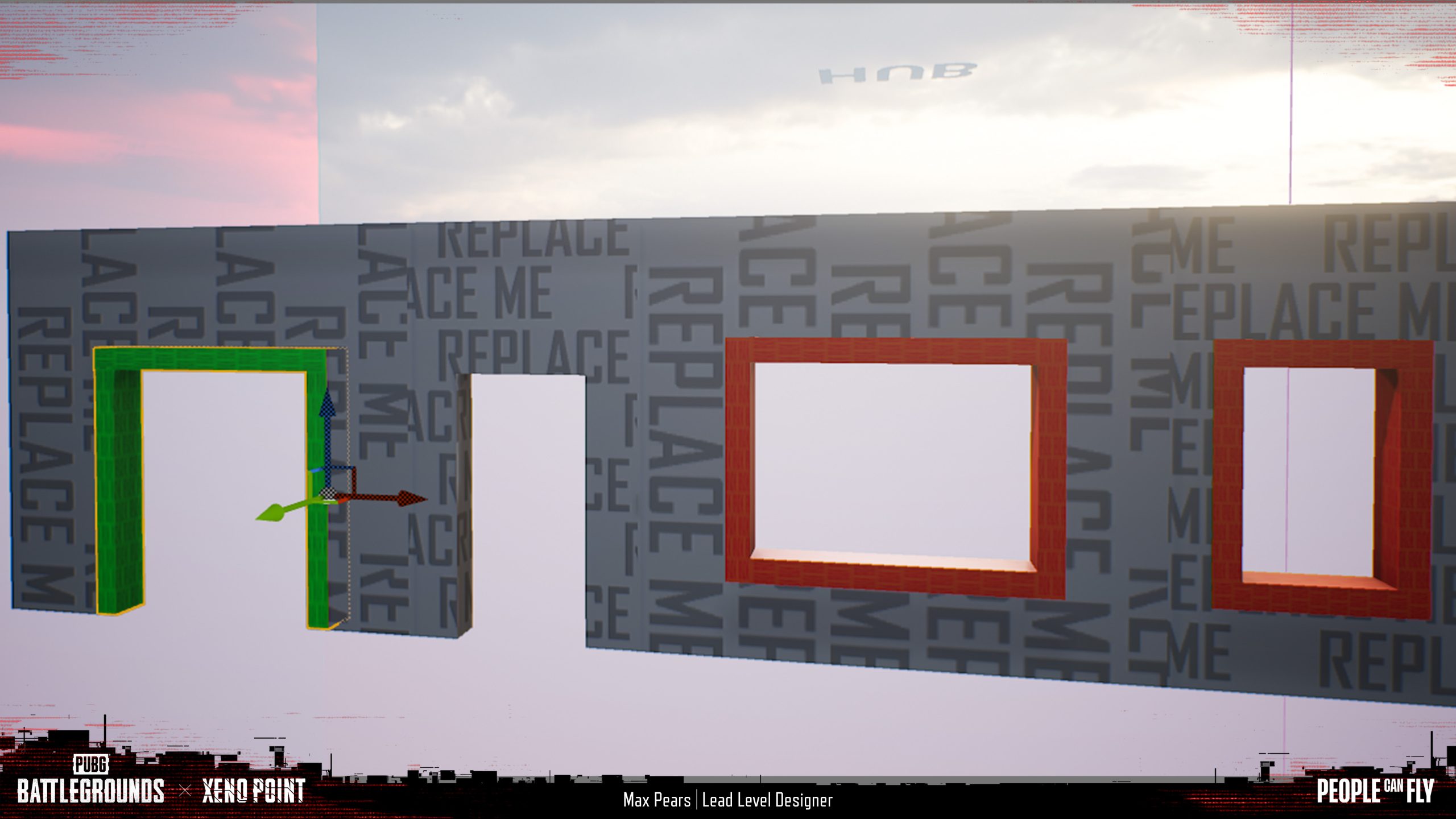
Once we had identified the ‘hero’ buildings and the most frequently used structures, we established a clear blockout visual language to improve cross-discipline communication. We introduced a color-coded system to quickly convey design intent, enabling the Art team to immediately understand key changes and priorities within each layout:
Grey – Structural elements
Yellow – Cover
Green – Additions
Red – Blockers / Removal
Additional leadership responsibilities included reviewing all seven levels developed for the game, ensuring alignment across level flow, cover layout, and combat pacing. I worked closely with the team to provide feedback and support, ensuring they had the tools and guidance needed to successfully execute their ideas, while maintaining consistency with the Creative Director’s vision.
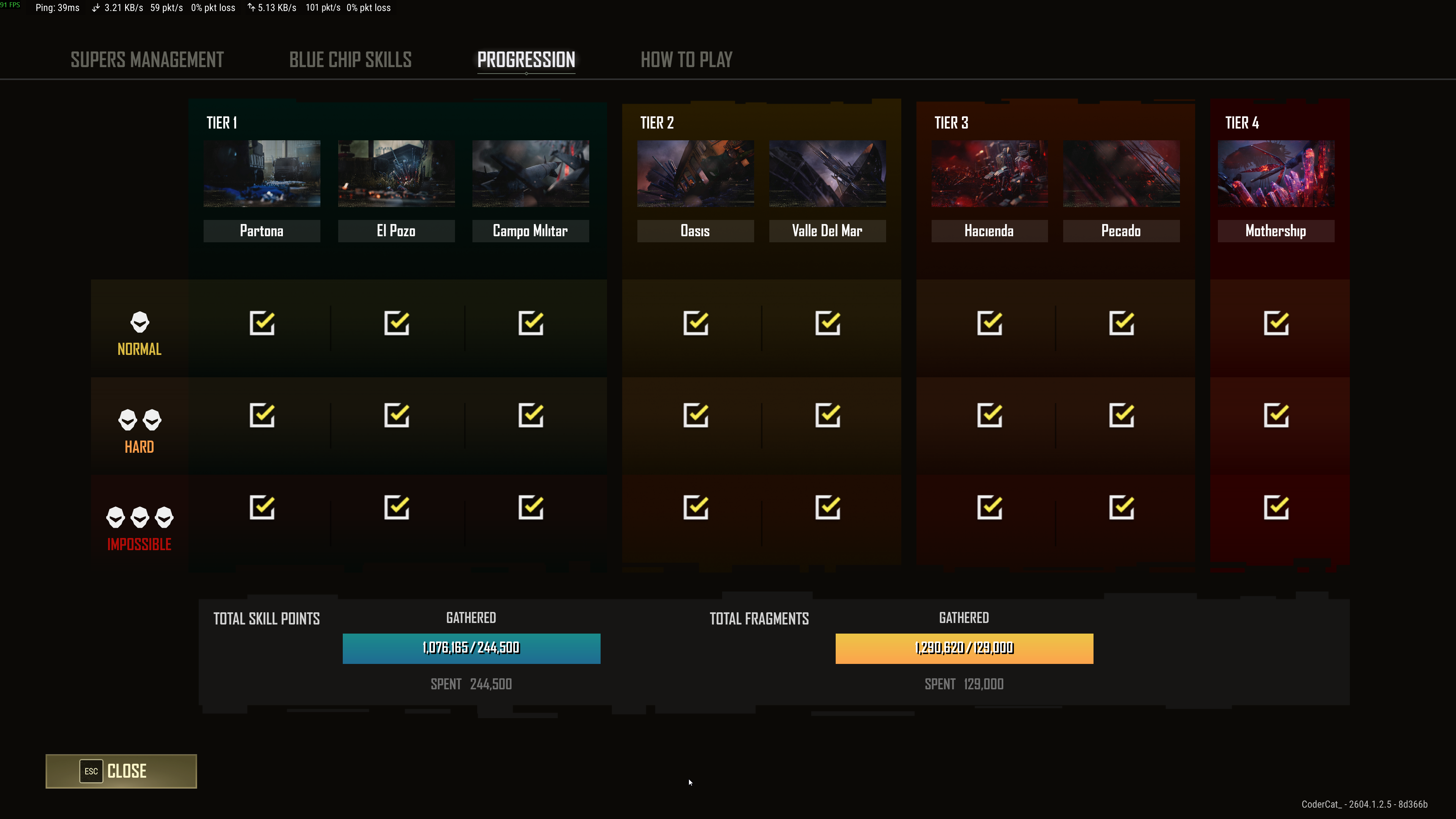

Alongside my responsibilities in team management, I was also responsible for designing two levels:
- Campo Militar
- Mothership (Final Boss)
Working within the established world of PUBG: Battlegrounds, we needed to strike a balance between repurposing existing locations to better support our intended gameplay, while preserving the recognizability of these spaces that players know and enjoy.
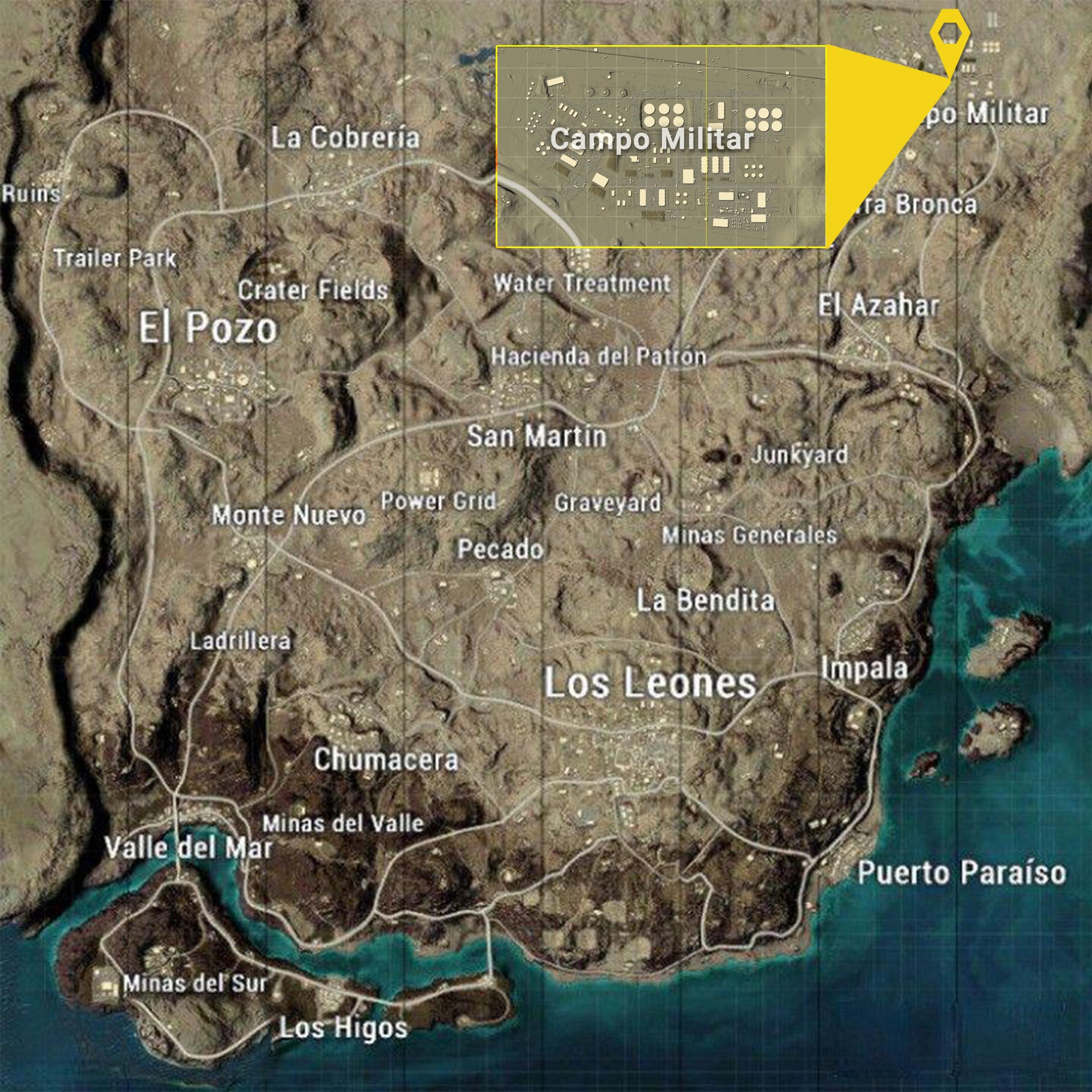
Here you can see Campo Militar in the base game.
The first step was to research Campo Militar, identifying which areas were most frequently used and recognized by players. We then started to design the intended level flow, exploring how the space could be restructured to support more action-oriented gameplay.
In addition, we incorporated subtle environmental storytelling to reflect the alien invasion, conveying the conflict and its aftermath through the design of the space.
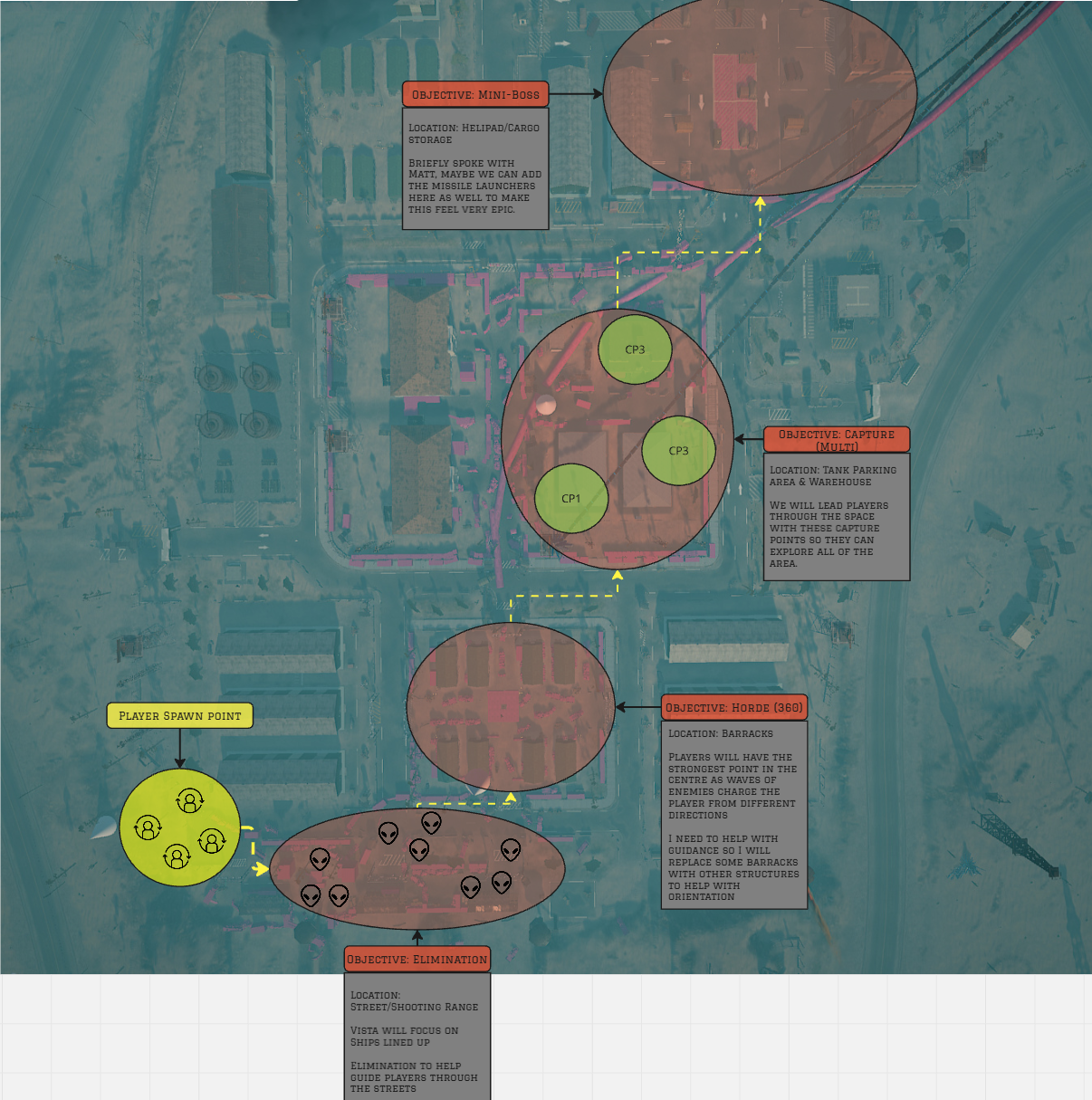

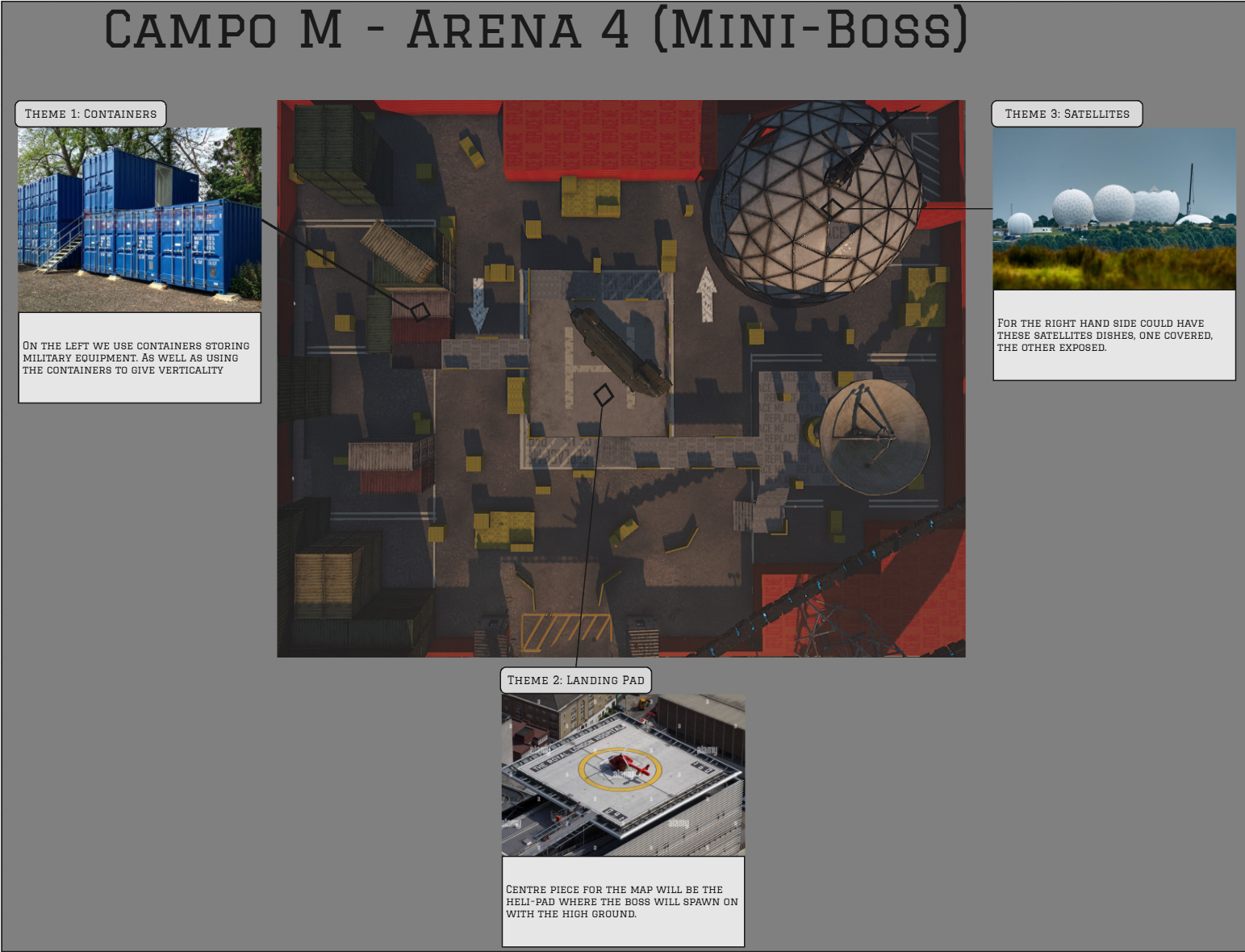
Once the locations and objective flow were finalized, we maintained close collaboration with the Art team, incorporating their feedback to ensure strong visual composition and effective player guidance.
We then moved into the blockout phase, iterating on spatial layouts and adapting the environments to better support our intended combat style.
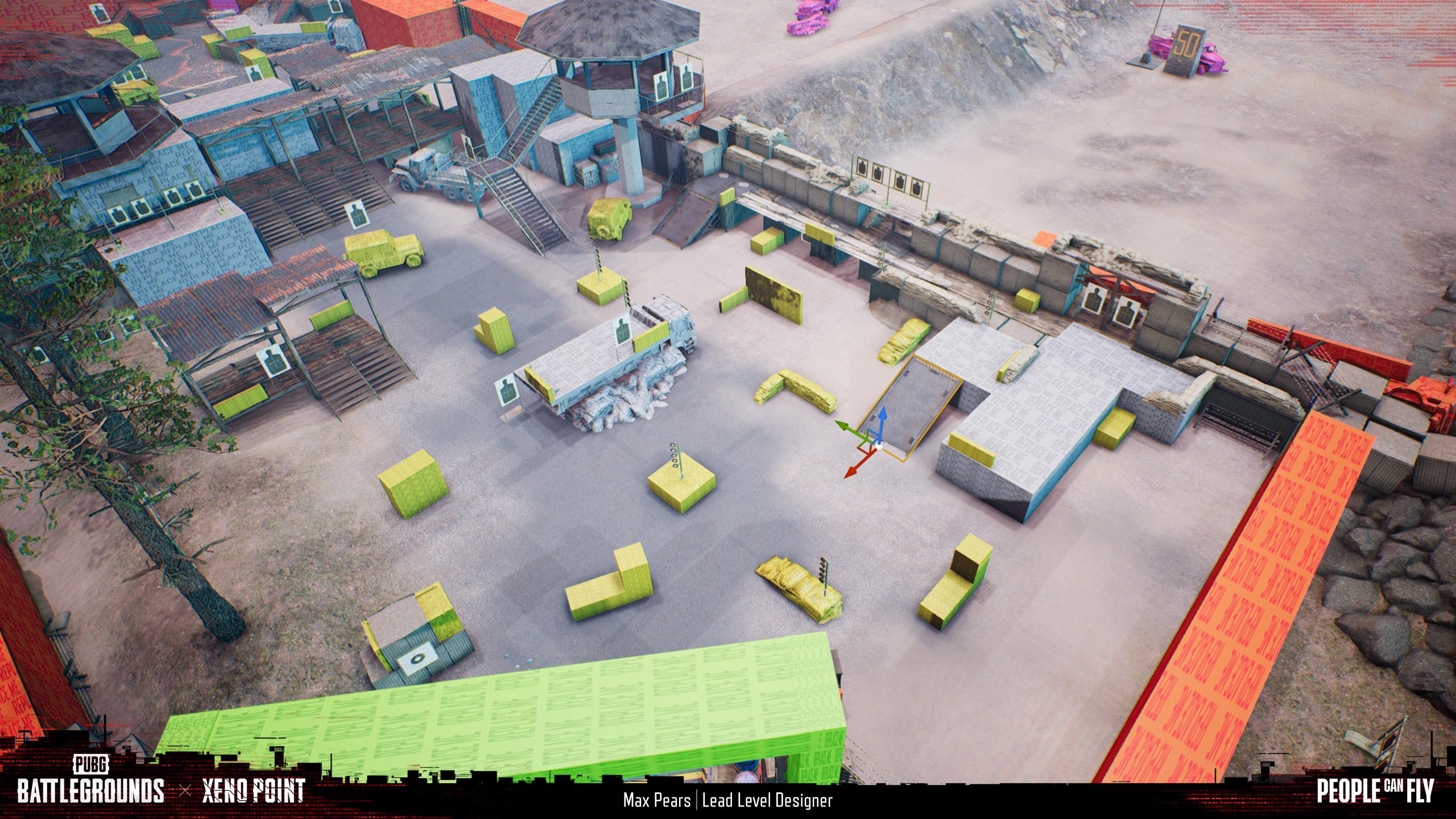
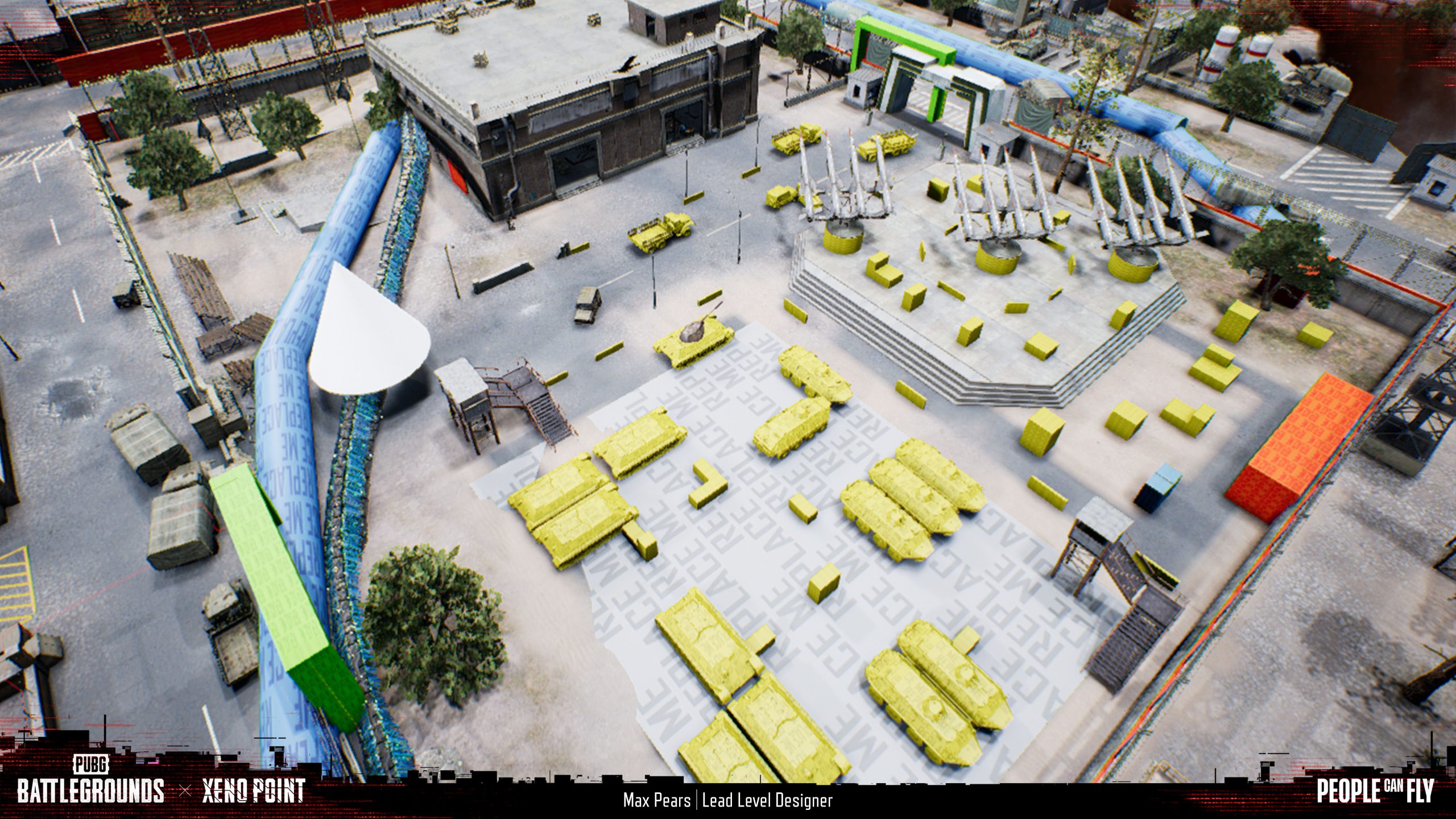
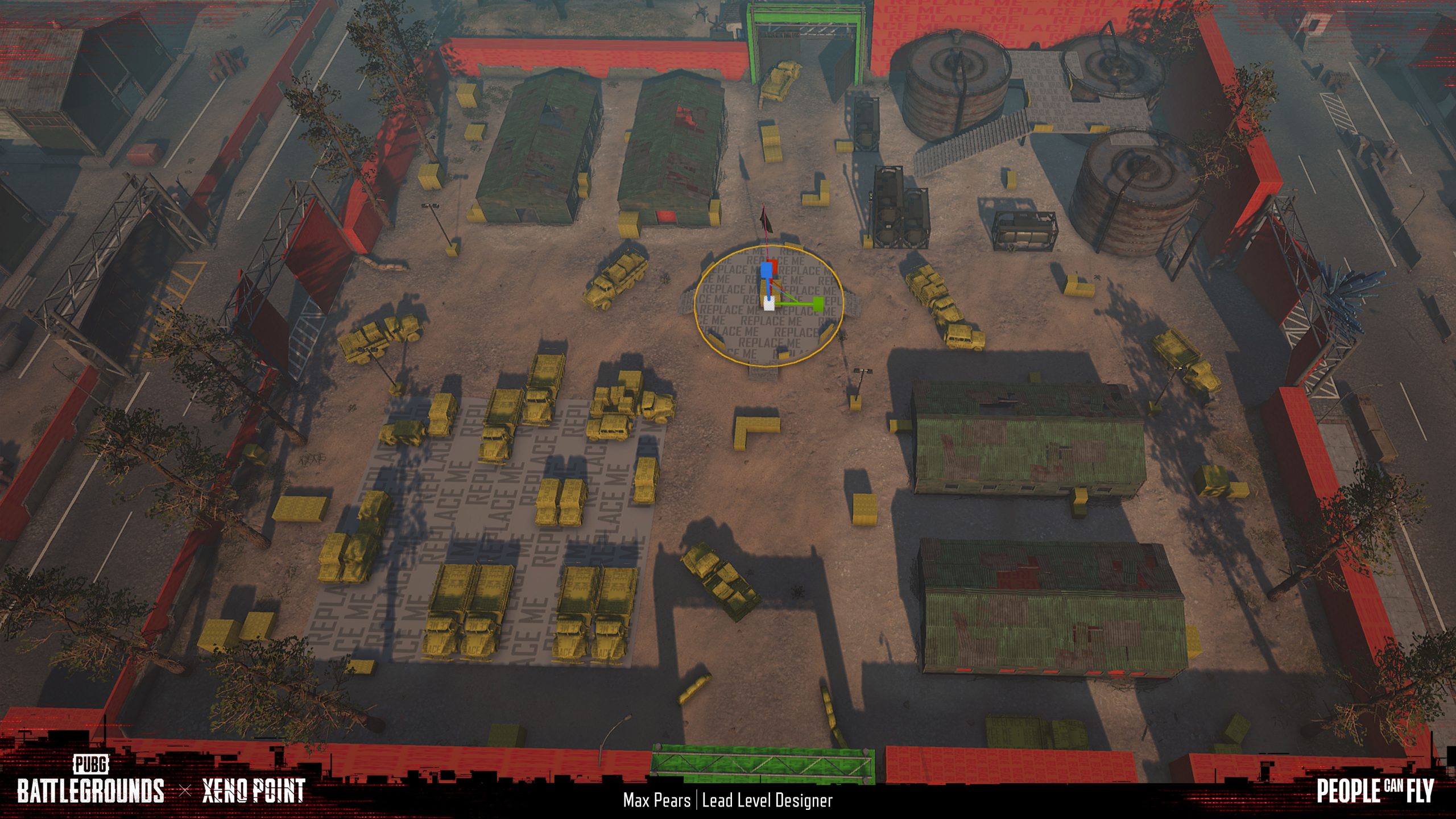
Once the layouts had been thoroughly tested, refined, and finalized, we progressed to the scripting phase of the project. We continued iterating on each location to ensure they felt engaging and well-balanced for four-player cooperative gameplay.
As gameplay systems were implemented, we revisited the spaces to make further adjustments. Refining layouts, scaling arena sizes, and repositioning cover where necessary. In some cases, this involved more substantial changes to the objective flow, ensuring each location delivered the strongest possible gameplay experience
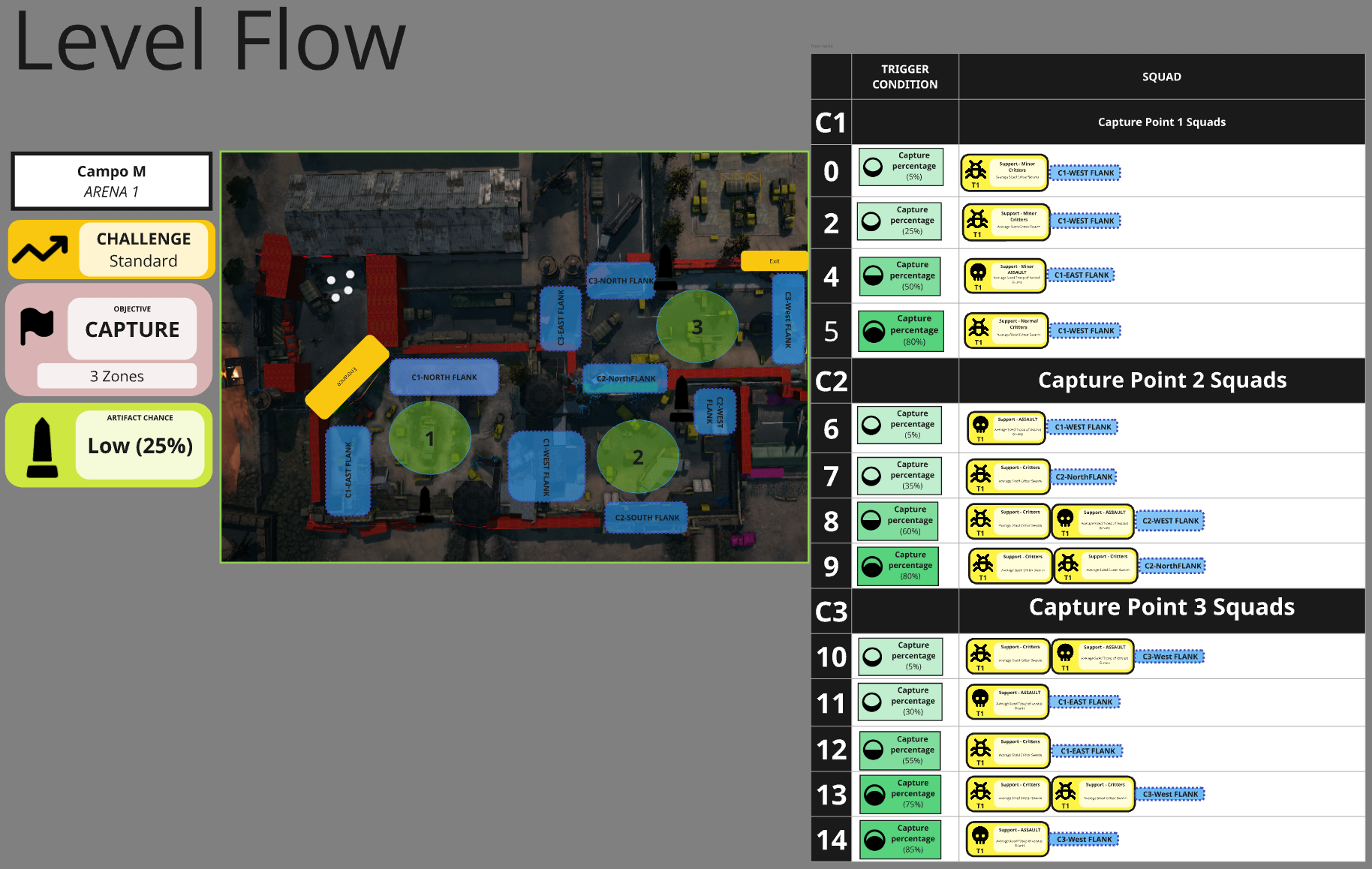
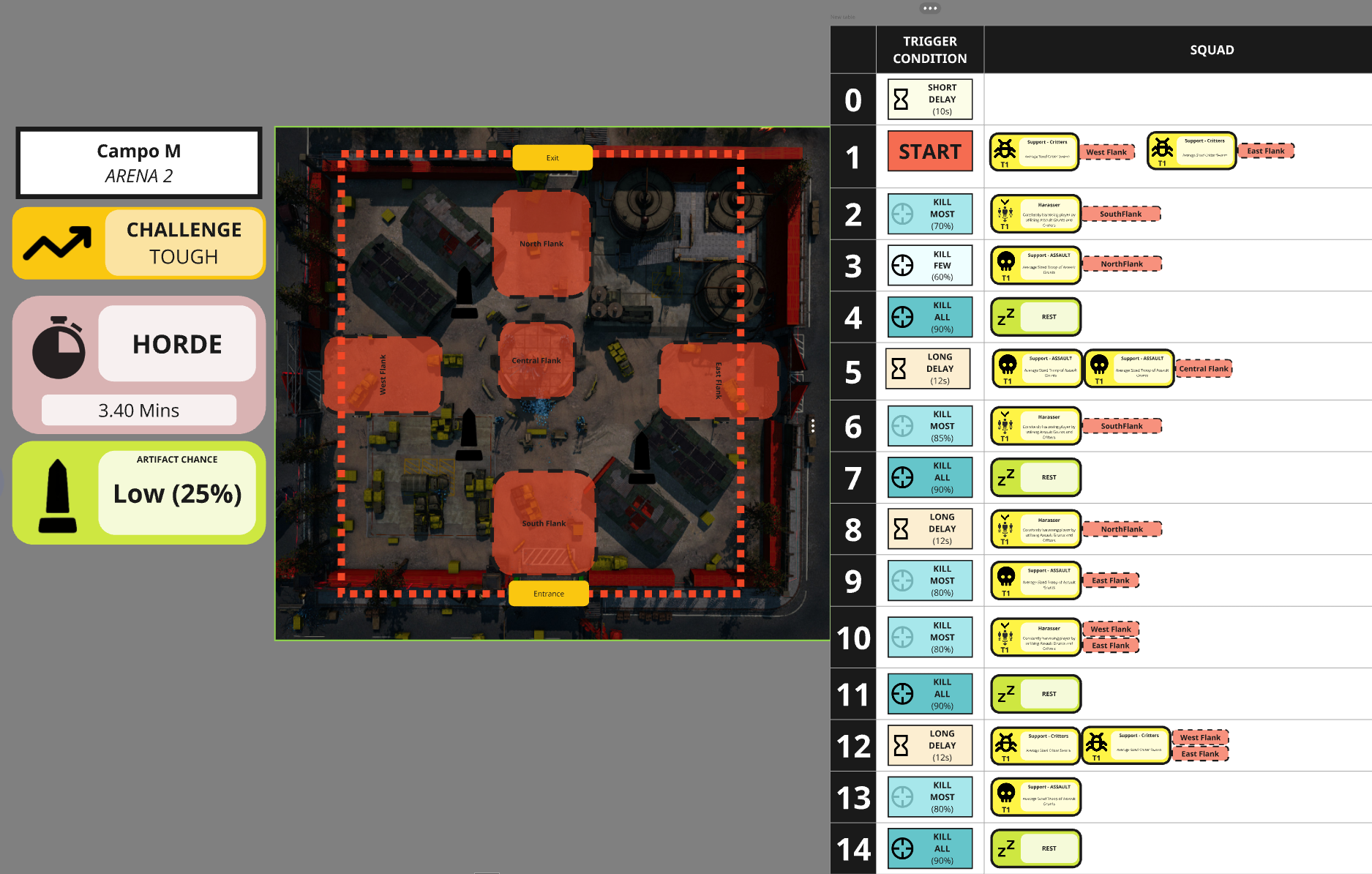
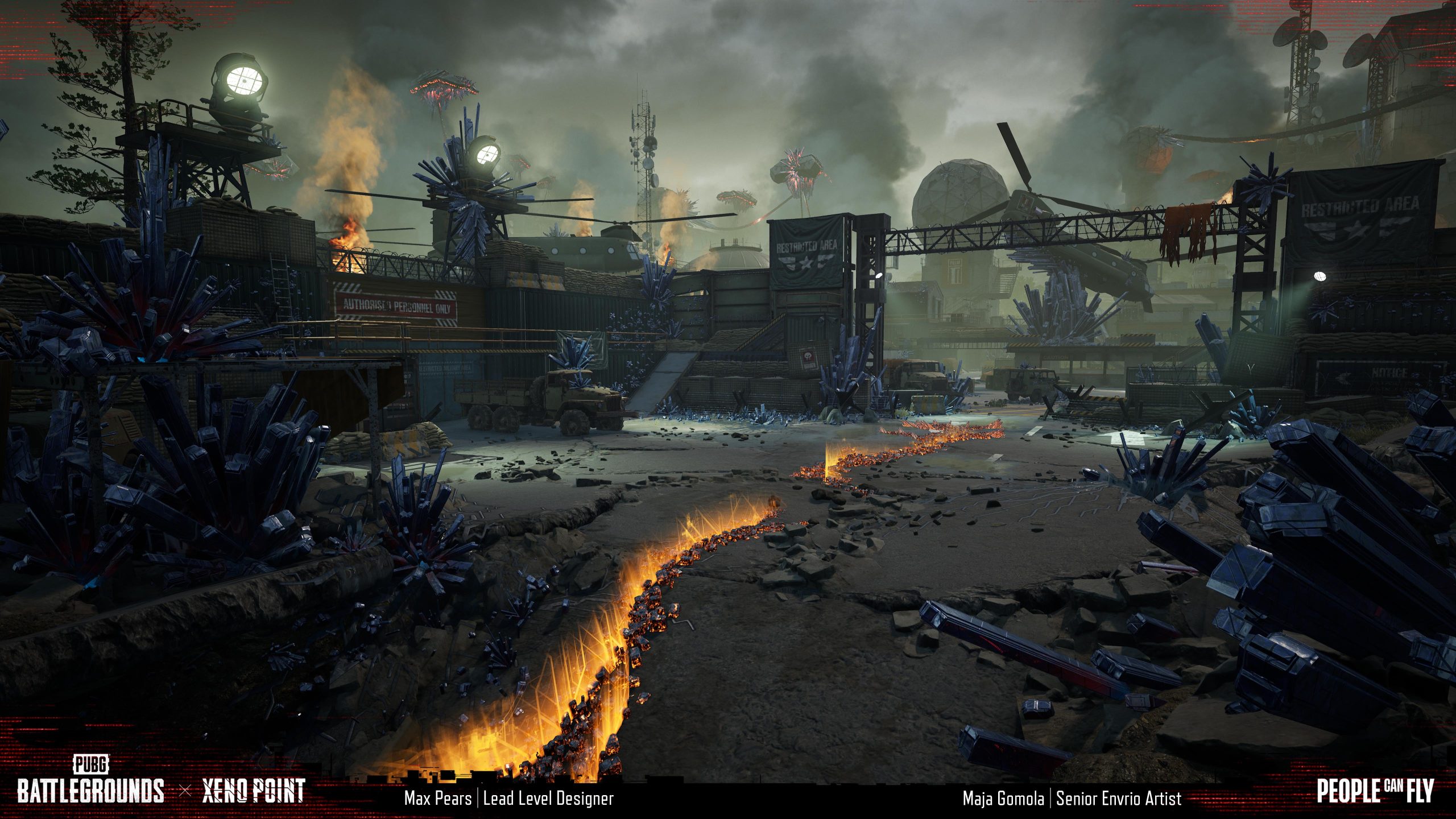
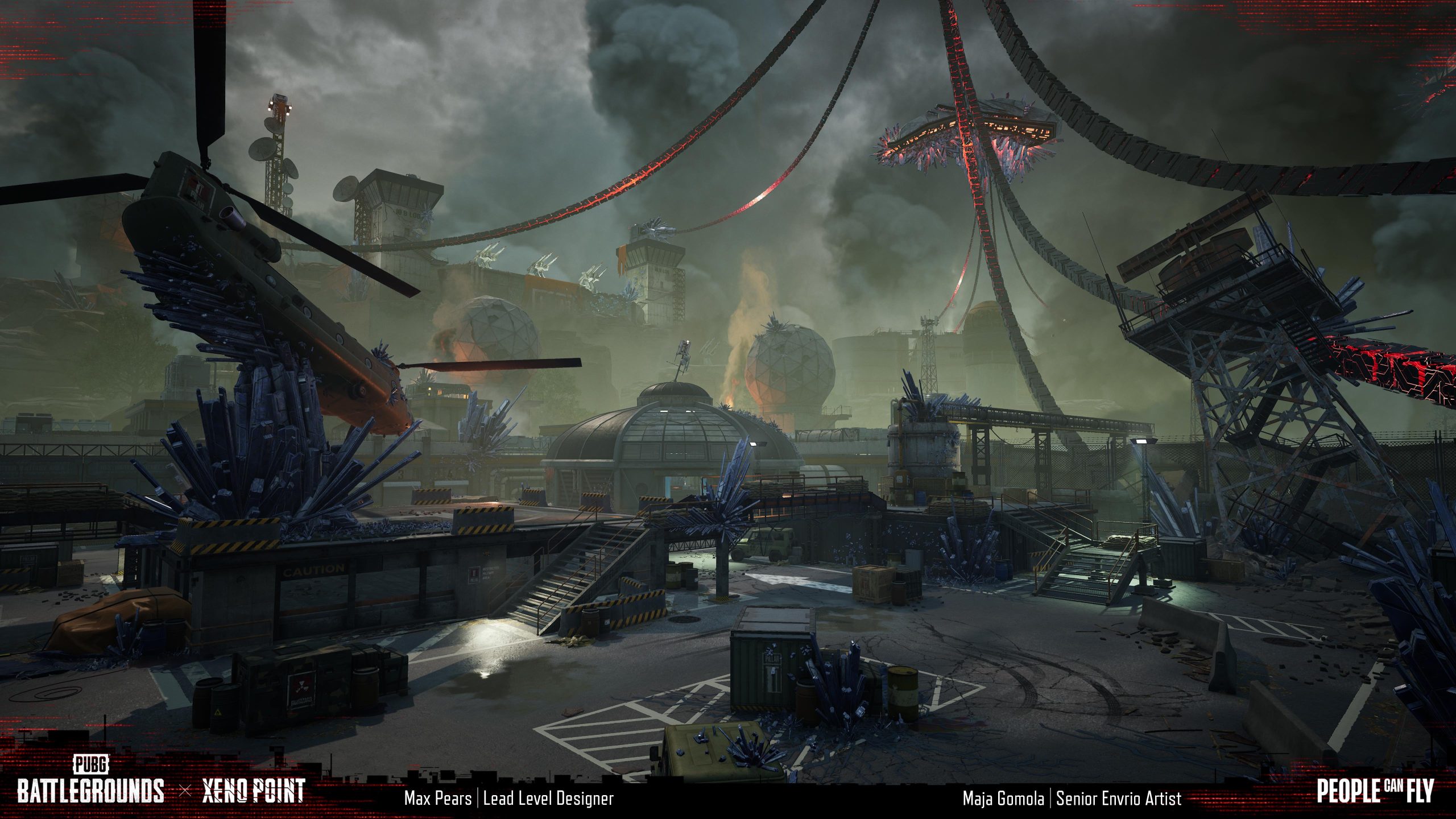
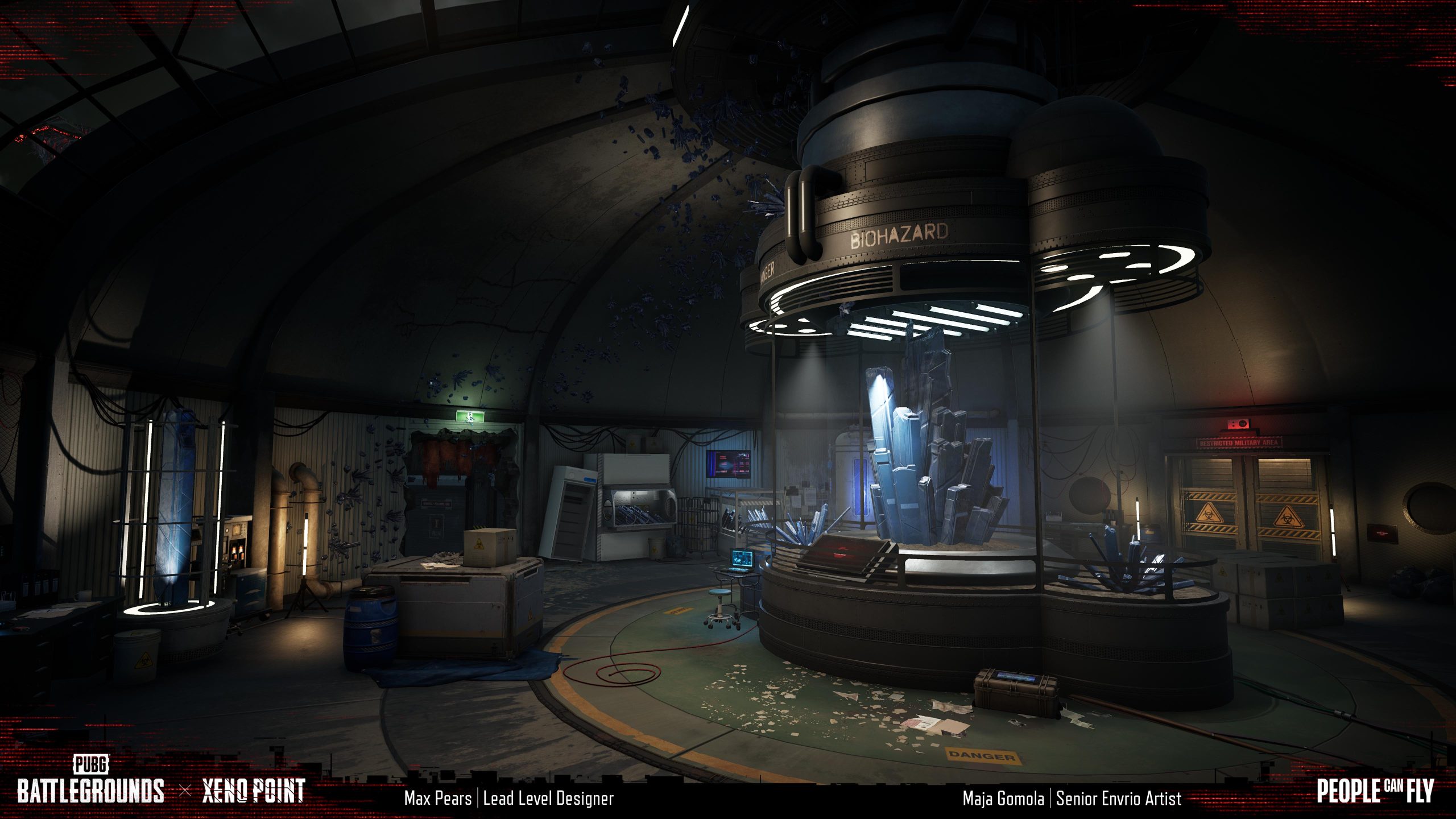
Due to tight deadlines and my broader leadership responsibilities, the final combat and difficulty pass for Campo Militar was delegated to our Intermediate Level Designer, Wojtek. He quickly got up to speed with the systems and delivered a strong final implementation.
The MotherShip
In contrast to Campo Militar, where the challenge lay in adapting a pre-existing location to new gameplay rules. The ‘Mothership’ was an entirely new environment, designed specifically for the final boss “The Architect” encounter.
While this provided greater creative freedom, it also introduced a unique set of challenges. Much of our earlier focus had been on establishing strong core gameplay elements across the other six maps, meaning the boss encounter itself had not yet reached a fully engaging state. As a result, the Mothership underwent extensive iteration.
A key challenge was balancing the space to support both standard objectives and the final boss encounter, ensuring the environment functioned effectively for both gameplay scenarios without compromising either experience.
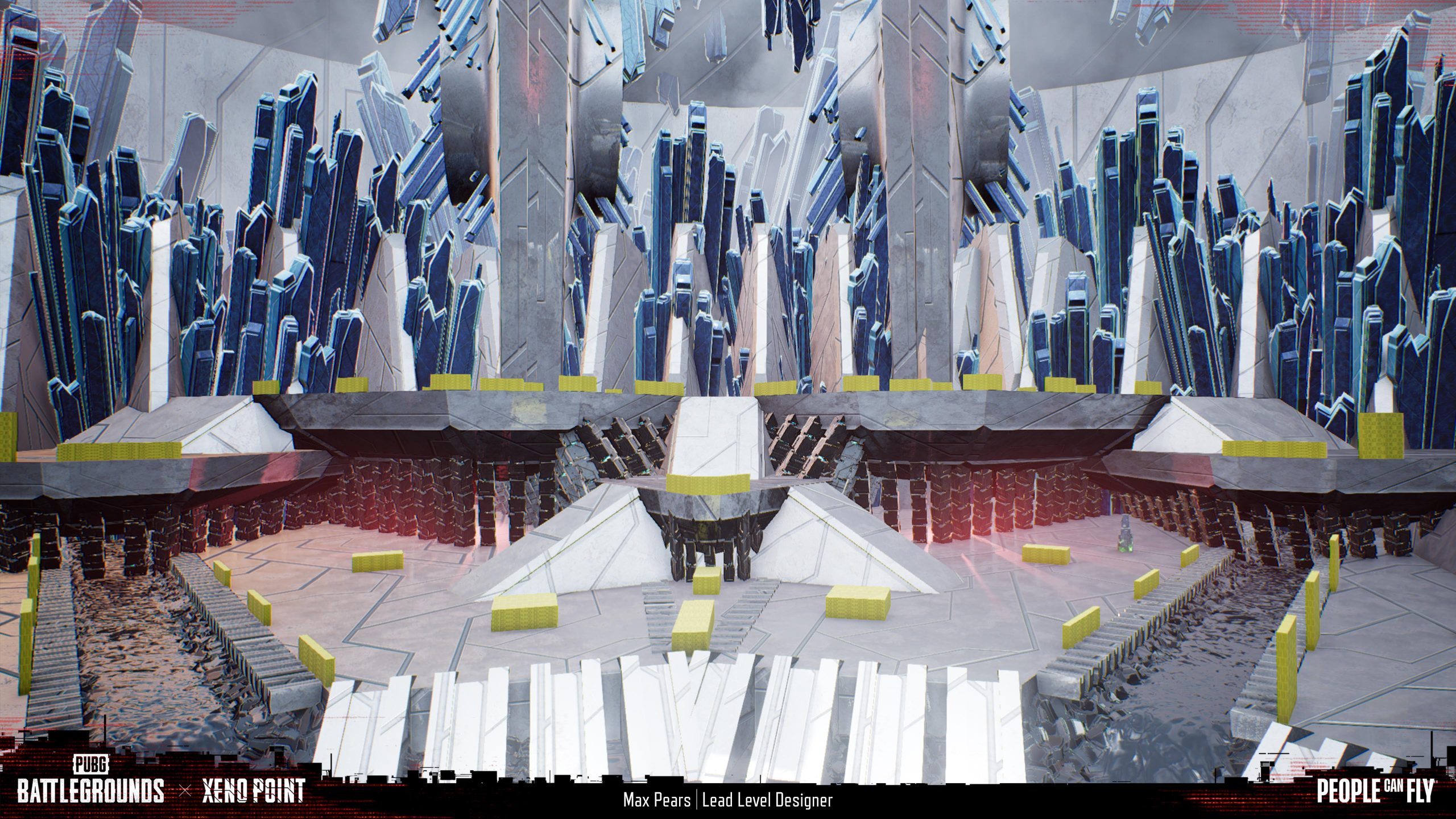
Through iteration and playtesting, we identified that the space was initially too large, which negatively impacted pacing and player engagement. We also found that the ‘Capture’ objective was significantly more effective than others, as it encouraged players to converge on a defined location and hold their ground.
This created a strong contrast when the ‘Architect’ boss was introduced, shifting the experience by allowing players greater freedom of movement to spread out, reposition, and engage the encounter more dynamically. Similar to Campo Militar, once the blockout phase was complete and the level flow finalized, our Principal Level Designer, Darrell Timms, focused on fine-tuning the encounter design—specifically enemy compositions at key capture points and the balancing of capture durations.